8 Networking Email Subject Lines for Coaches in 2026

Coachful
You open your laptop to send a thoughtful networking email. The body is solid. It is clear, respectful, and useful. Then you get stuck on the subject line and hear the same internal objection many coaches do: I do not want to sound pushy, generic, or like I am pitching someone who never asked to hear from me.
That hesitation makes sense. Coaches sell trust before they ever sell a session, a package, or a workshop. The subject line sets that tone first. Before anyone reads your message, that one line answers a quiet question in the reader’s mind: Is this person relevant, credible, and worth my attention?
It also decides whether your good intent gets seen at all. Analysts cited in Zippia’s email subject line statistics roundup found that many recipients make open decisions based on the subject line alone. In practical terms, that means a vague or self-focused subject line can bury a strong email, while a clear one gives your message a fair shot.
For coaches, this is a positioning issue as much as a copy issue.
A strong networking subject line does not manipulate. It gives context fast. It lowers friction. It signals that you understand the recipient’s world and that you are reaching out for a real reason, not spraying the same note across a list.
If you want a broader foundation beyond networking-specific examples, it also helps to study strong cold email subject lines. But coaching has its own trade-offs. You need subject lines that sound human without sounding casual, specific without sounding rehearsed, and confident without sounding transactional. That is the standard if you want to build real relationships and turn those relationships into conversations, referrals, and clients through a platform like Coachful.
1. The Mutual Connection Reference
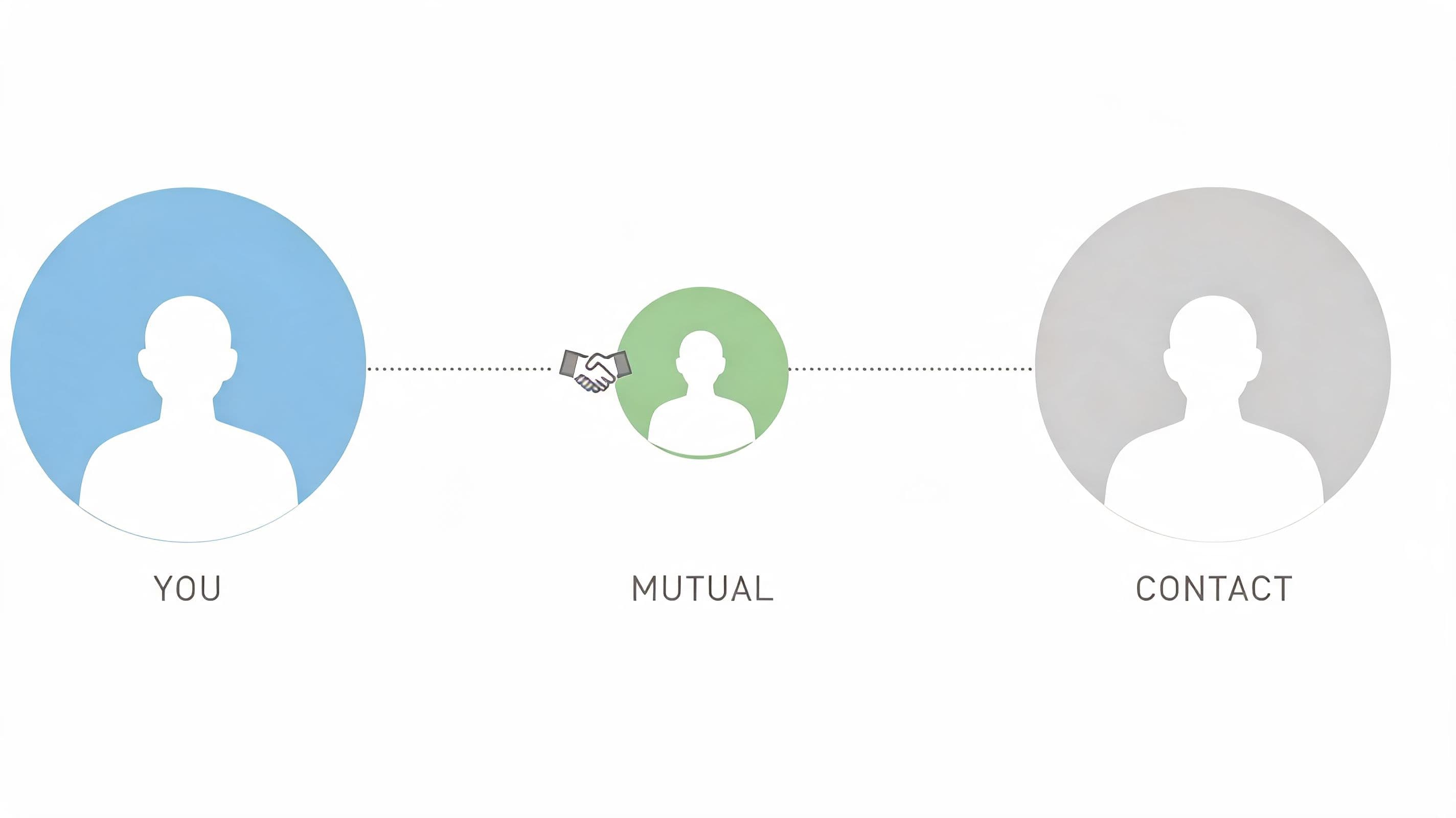
You open your inbox and see a subject line with a name you already trust. That changes the decision in a second. The email no longer feels random. It feels situated in a real relationship.
That reaction matters in coaching because buyers are screening for more than skill. They are asking themselves whether you understand their world, whether you were introduced for a reason, and whether replying will create an awkward sales exchange. A mutual connection lowers that social risk.
Examples:
- Sarah mentioned your coaching cohort expansion
- Mike suggested I reach out about leadership coaching
- Dana thought we should connect
Why it works
A mutual-connection subject line gives the reader context before they read a word of the email. Psychologically, it reduces uncertainty. Socially, it signals that your message belongs in their inbox.
Used well, it also answers the internal objection many coaches have themselves. “I do not want to sound pushy.” Good. You should not. Naming a real connector is not a trick. It is a way to show that this conversation started somewhere human.
The trade-off is obvious. Borrowed trust can create a warm opening, or it can make you look careless if the reference is thin. Use this format only when the connection is genuine, recent, and directly relevant to why you are writing.
Practical rule: Only use a name if you would feel comfortable with the recipient forwarding the email to that person.
How coaches should use it
This subject line works best in referral outreach, partner conversations, post-event follow-up, and introductions between adjacent service providers. For example, if another coach, consultant, or program lead mentions someone who may need better infrastructure before they build a coaching website, the subject line can carry that context without sounding heavy-handed.
A line like “Dana suggested we connect about your coaching program” works because it is specific enough to feel real and open enough to invite a reply. It does not force a pitch.
Use it with discipline:
- Get permission first: Confirm the referrer is comfortable being named.
- Choose the right connection: The person should know both sides well enough for the introduction to make sense.
- Match the email body to the subject line: Open by explaining how the person came up, why they thought the conversation was relevant, and what next step makes sense.
This is relationship-building with clearer framing. For coaches, that distinction matters. People can feel the difference between “I found your name” and “We have a credible reason to talk.”
2. The Specific Value Proposition
You open your inbox between sessions and see three subject lines: “Quick intro,” “Would love to connect,” and “Simplify onboarding for your coaching cohort.” Only one earns a click, because only one respects your time.
That is the job of a specific value proposition. It gives the recipient a clear reason to care before they read a single line of your email.
Examples:
- Save time on client admin with Coachful
- Simplify onboarding for your coaching cohort
- Better follow-through for client action plans
Why this works
A strong subject line lowers cognitive effort. The reader does not have to guess whether the email is relevant, promotional, or another vague networking attempt dressed up as friendliness.
That matters even more in coaching, where many practitioners are allergic to sounding pushy. I see this all the time. A coach wants to start a real conversation, but softens the subject line so much that it loses all meaning. The result feels safer to send and easier to ignore.
Specificity solves that problem. It makes your email feel useful, not needy.
Earlier research cited in this article found that hype-heavy wording underperformed clearer, more relevant subject line styles. The practical takeaway is simple. State one believable outcome in plain language.
If you help coaches reduce admin drag, say that. If you help program leads keep cohorts organized, say that. If your outreach ties to a concrete next step, such as helping someone build a coaching website, name the result they want from that work.
Where coaches miss the mark
The common mistake is trying to sound important instead of relevant.
Coaches do this for understandable reasons. You know your work changes lives, improves confidence, and creates momentum. But a networking email subject line is not the place to carry the full weight of your brand promise. It needs to answer a simpler question: what useful outcome is inside?
These angles tend to work well:
- Operational value: “Cleaner scheduling for multi-client weeks”
- Program value: “A simpler way to run group coaching”
- Retention value: “Helping clients stay engaged between sessions”
The psychology here is straightforward. Concrete outcomes feel credible. Broad claims feel expensive. When a subject line sounds like the start of a pitch, readers protect themselves. When it sounds tied to a real operational pain, they stay open.
A good example is outreach to a coaching school managing enrollment, mentor schedules, and cohort communication across too many tools. “Simplify your coaching cohort workflow” works because the friction is obvious. “A better system for growth” asks the reader to do interpretive work, and busy people rarely volunteer for that.
Lead with one useful outcome. A subject line is a relevance filter, not a mini sales page.
A short visual break helps here:
3. The Question-Based Opener

You open your inbox, see a subject line phrased as a question, and pause for a second. That pause is the whole job.
A good question-based opener works because it mirrors a concern the reader already has. It does not create relevance from nothing. It names tension that already exists, which is why this format can feel personal instead of promotional when you use it well.
Examples:
- Are your coaching notes easy to use across sessions?
- How are you handling client follow-through between calls?
- Could your cohort onboarding be simpler?
Ask the question sitting in the background of their day
The strongest questions feel like an observation, not a gimmick. As noted earlier, question-led subject lines can perform well, but the open comes from fit, not punctuation.
For coaches, that distinction matters. You are often reaching out in a field built on trust, discernment, and personal reputation. A vague question can sound like marketing. A precise question sounds like you understand the work.
Good questions usually point to one active friction point:
- an executive coach losing time to admin and scattered notes
- an HR lead comparing coaching partners and outcomes
- a coaching school trying to keep cohorts, mentors, and communication organized
- a consultant who wants stronger accountability between sessions
That is also where the psychology shifts. The reader is not thinking, "This person is selling me." They are thinking, "Yes, that has been annoying."
Ask a question you’re genuinely equipped to answer. Curiosity gets the open. Relevance gets the reply.
Why this format works in coaching
Coaches are trained to ask questions, but inbox questions carry a different burden. In a session, a question signals care. In a subject line, it can also signal manipulation if it is too broad, too dramatic, or too obviously designed to bait a click.
That is why generic lines such as “Want to grow faster?” fall flat. They trigger resistance because they sound detached from real conditions. The reader has to do too much interpretive work, and busy people rarely volunteer for that.
A better question points to something visible in the business.
“Still managing client notes in multiple places?” works because the friction is concrete. “Are clients slipping between sessions?” works because it names a problem many coaches worry about but do not always say out loud. If you use a platform like Coachful to help manage delivery, communication, and client continuity, the subject line should hint at that practical outcome without turning into a product pitch.
How to keep it from sounding spammy
This is the part many coaches overthink. They worry a question in the subject line will make them sound slick, needy, or salesy.
That usually happens for one reason. The question is written for the sender’s goal instead of the reader’s situation.
Use these filters before you send:
- Would the reader ask this on their own, even if you never emailed?
- Does the question point to one specific operational or client-facing issue?
- Can the body of the email answer the question clearly and credibly?
- Would this still sound respectful if the recipient never replies?
If the answer is yes, the question is doing relationship work, not pressure work.
That is the core value of this opener. It starts a conversation in the same way strong coaching does. With specificity, restraint, and a real understanding of what the other person is carrying.
4. The Time-Sensitive or Exclusive Offer

You finally send the email you have been postponing. Then you read the subject line back and cringe because it sounds like a flash sale. That reaction is useful. It usually means your instincts are protecting the relationship.
Time-sensitive subject lines work only when the timing is real and relevant to the reader. In coaching, that standard matters more because your brand is built on trust, consent, and calm authority. If the subject line creates pressure your email cannot justify, people feel it immediately.
Examples:
- Early access to our next coaching cohort workflow
- Last call for spring mastermind applications
- Opening a few partnership conversations this month
Why this approach works
A real deadline helps the recipient make a decision. It answers the silent question behind every networking email: why this message, and why now?
That matters for coaches because the offer is often tied to a specific container. A cohort starts on a fixed date. A pilot has a small cap. A partnership window exists because your calendar, audience, or program structure has limits. Used honestly, urgency reduces ambiguity. It does not manufacture demand.
Exclusivity works the same way. It signals fit, not status. “Inviting a few executive coaches for early feedback” lands because it explains who this is for and why the group is small. It feels considered. “Exclusive opportunity” feels mass-produced unless the body of the email proves otherwise.
How to use urgency without sounding salesy
Use the constraint as context.
- Cohort timing: “Applications close Friday for the next group”
- Pilot timing: “Inviting a small set of coaching partners”
- Event timing: “Before the ICF meetup next week?”
- Capacity timing: “A few openings for Q2 referral partners”
Each one gives a reason for the outreach. None tries to force emotion.
This is the trade-off. The sharper the time pressure, the higher the risk of sounding transactional. The more relationship-driven your practice is, the more precise your subject line needs to be. Good networking email copy respects the recipient’s autonomy while still making the timing clear.
For coaches building systems around client delivery, this framing also connects naturally to operations. If you are reaching out about a pilot, a new group experience, or a better client communication process, tie the subject line to the actual use case. The body can then show how the offer supports a stronger client experience, with practical context drawn from insights from Coachful.
Use this pattern sparingly. If every message sounds time-bound, none of them feels credible. Save urgency for moments when a real window exists, and your subject line will read as respectful, specific, and worth opening.
5. The Compliment or Recognition-Based Approach
You open your inbox and see a subject line that says someone loved your work. Your first thought is usually not interest. It is caution.
Coaches get praised constantly in shallow ways. “Big fan.” “Love what you do.” “Inspired by your content.” That kind of language does not build trust. It sounds like the opening move before a pitch.
Recognition-based subject lines work when they prove attention. The reader should feel that you noticed a specific idea, decision, or point of view. That matters in coaching because the work is personal, nuanced, and often hard to summarize in one catchy phrase.
Examples:
- Your point about leader self-trust stayed with me
- Appreciated your take on accountability in teams
- Your executive coaching framework caught my attention
The psychology here is simple. Specificity lowers skepticism. Vague praise raises it.
A subject line like “Loved your recent post” gives the recipient nothing to grab onto. “Your post on cohort accountability stood out” tells them you read the post. It also signals restraint. You are not praising their status. You are responding to their thinking.
That distinction matters if you worry about sounding salesy. Flattery tries to create obligation. Recognition starts a conversation. One feels manipulative. The other feels human.
For coaches, this approach works especially well when the compliment connects to a real reason for reaching out. If someone shared a smart idea about onboarding, client follow-through, or communication between sessions, you can continue that thread in the body with a useful observation, a relevant question, or a practical suggestion supported by insights from Coachful.
A simple structure helps:
- Recognition: “Your post on cohort accountability stood out”
- Connection: “It got me thinking about client follow-through between sessions”
- Reason for outreach: “I had one idea you might want to test”
Use this carefully. If the praise is too polished, too broad, or too emotional, it reads like copywriting. If it is concrete and proportionate, it reads like respect.
Good networking email subject lines in coaching do not compliment identity. They acknowledge substance. That is why this approach can open doors without making you sound like you are trying to force one.
6. The Problem-Based Subject Line
Problem-based subject lines can be highly effective for coaches because they create immediate recognition. The reader sees the line and thinks, yes, that is annoying, expensive, fragmented, or harder than it should be.
Used badly, this format sounds fear-based. Used well, it sounds empathetic.
Examples:
- Client follow-through slipping between sessions?
- Too many tools for one coaching practice
- When scheduling starts eating coaching time
Name the friction, not the catastrophe
A lot of marketers overdramatize pain. Coaches shouldn’t. Your audience doesn’t need to be shocked into opening. They need to feel understood.
This format works best when the problem is concrete:
- scattered session notes
- inconsistent onboarding
- missed reminders
- messy program delivery across tools
- unclear communication inside cohorts
If you support executive coaches, a subject line like “Keeping coaching notes organized across clients” can land well. If you serve HR or L&D, “Managing coaching vendors across separate systems” may be more relevant. The point is to speak in the language of operational friction, not existential doom.
The trade-off with problem-led messaging
The upside is relevance. The downside is emotional tone. Some recipients feel a subtle resistance when the first thing they see from you is a problem statement, especially if they don’t know you.
That’s why I’d use this approach when the pain is obvious and the body of the email stays collaborative. You’re not saying, “You’re doing this wrong.” You’re saying, “This is a common bottleneck, and I thought this might be useful.”
Try these refinements:
- Softer framing: “Still piecing together client workflows?”
- Operational framing: “When admin starts crowding out coaching”
- Shared-frustration framing: “The handoff problem in group coaching”
For many coaches, this format works best after some light familiarity exists, such as a content interaction, an event, or a mutual contact. Cold, harsh pain language can feel aggressive. Precise friction language often feels helpful.
7. The Educational or Did You Know Subject Line
You spot someone you want to know better. A peer coach. A referral partner. A program lead inside an organization you would love to work with. Then the familiar hesitation kicks in. If I send a networking email, will it sound self-serving?
An educational subject line solves that tension by giving the recipient a reason to open that is useful to them, not just useful to you. In coaching, that matters. People in this field are highly attuned to tone, intention, and whether a message feels relational or transactional.
Examples:
- A useful pattern I’m seeing in coaching ops
- One shift I’ve noticed in group program retention
- Did you know onboarding emails shape coaching trust early?
Why this format works in coaching
Coaching buyers, peers, and partners are often sorting through vague outreach that asks for time before earning attention. Education changes the exchange. It signals discernment. It shows you notice patterns, not just prospects.
That is why this subject line works especially well for coaches who do not want to sound pushy. You are opening a conversation through relevance. The psychology is simple. People are more receptive when they feel they are about to learn something specific they can use.
Used well, this approach also supports the longer arc of practice growth. Relationship-building emails and list-building emails serve different purposes, but both improve when the message teaches instead of chases. If email is part of your growth strategy, it helps to understand how to attract clients with email marketing.
What to teach in the first email
Keep the lesson narrow. One idea is enough.
Good subjects point to a small insight with clear relevance:
- a pattern in referral behavior
- a lesson from smoother onboarding
- an observation about cohort engagement
- a messaging shift that gets better replies from aligned prospects
For example, a coach serving founders might write, “One onboarding tweak that reduces early drop-off.” A coach working with HR leaders might use, “A pattern I keep seeing in manager coaching rollout.” Both work because they promise a real observation tied to the recipient’s world.
The trade-off is subtle but important. If the subject line sounds too broad, it reads like content marketing. If it sounds too clever, it reads like copywriting. The best educational lines feel like a thoughtful note from someone who pays attention.
Keep the body just as restrained. Share the insight. Explain why it matters. Offer a next step only if it fits. That is how educational outreach builds trust without triggering the “I’m being sold to” reaction.
8. The Collaborative or Partnership-Framed Subject Line
You find someone whose work clearly complements yours. They serve the same kind of client, solve a different part of the problem, and could make your offer stronger. Then the hesitation starts. If this email sounds too eager, it feels self-serving. If it sounds too vague, it feels like networking theater.
A collaboration-framed subject line solves that tension by giving the recipient a credible reason to care. It signals shared benefit, clear overlap, and professional respect. In coaching, that matters because growth often comes through referral partners, community leaders, facilitators, consultants, and program owners who already have trust with the people you want to help.
Examples:
- Partnership idea for your coaching community
- Exploring a fit for cohort support
- Could our approaches complement each other?
Why collaboration framing gets better attention
Subject lines work when they answer an unspoken question fast: Why am I opening this?
A collaborative frame gives the answer. It suggests the email is about a real opportunity, not a vague request to connect. That lowers resistance. It also helps with the internal fear many coaches have about sounding pushy. A good partnership subject is not a disguise for a pitch. It is a truthful signal that there may be a useful overlap worth discussing.
That distinction shows up in the body copy too. If the subject promises partnership, the email needs to name the shared outcome clearly. Better retention. Better client follow-through. Better support between sessions. Better referral alignment. Without that specificity, “partnership” reads like polished language wrapped around a sales ask.
Make the partnership easy to picture
The strongest version is concrete enough that the recipient can see the fit before they open the message.
- For coaching schools: “Partnership idea for mentor communication”
- For HR teams: “Support idea for manager coaching rollout”
- For consultants: “A coaching layer for client follow-through”
- For peer coaches: “Could our niches complement each other?”
Coachful can strengthen the offer itself. If you are reaching out to someone who delivers workshops, runs cohorts, or manages coaching engagements across multiple clients, a collaboration angle becomes stronger when you can point to the operational piece you bring. That might be smoother accountability, cleaner scheduling, better client tracking, or a more organized delivery experience. Now the partnership is not abstract. It has a practical shape.
One example. Say you help coaches build stronger systems, and you are emailing a leadership consultant whose sessions are strong but whose clients lose momentum between meetings. “Partnership idea for leadership program follow-through” works because it points to a shared result, not just your interest in talking.
Keep the tone generous and specific. Lead with the contribution, the overlap, and the outcome you can help create together. That is what makes collaboration feel real instead of salesy.
8-Point Networking Subject Line Comparison
| Approach | Implementation Complexity 🔄 | Resource Requirements ⚡ | Expected Outcomes 📊 | Ideal Use Cases 💡 | Key Advantages ⭐ |
|---|---|---|---|---|---|
| The Mutual Connection Reference | Low, verify referrer & personalize | Low, quick contact check & permission | High open/response lift (≈30–50% higher) | Warm intros, referrals, networking outreach | Builds immediate trust; reduces spam placement |
| The Specific Value Proposition | Medium, craft precise, measurable promise | Medium, gather metrics/case examples | Higher-quality responses; qualified leads | Outreach to coaches with admin pain; HR teams | Sets clear expectations; filters prospects |
| The Question-Based Opener | Low, write relevant, answerable question | Low, light research; A/B testing useful | Strong open rates; prompts dialogue | Initial contact with busy execs, exploratory outreach | Feels conversational; encourages engagement |
| The Time-Sensitive / Exclusive Offer | Medium, coordinate real deadlines/scarcity | Medium, logistics, tracking, limited inventory | Boosted opens (≈20–35%); faster decisions | Cohorts, early access, limited-price promos | Creates urgency; accelerates responses |
| The Compliment / Recognition-Based | Medium, research recipient’s work | Low, time to personalize and reference | Improves response quality; builds goodwill | Outreach to thought leaders, partners, advocates | Differentiates from salesy outreach; builds rapport |
| The Problem-Based Subject Line | Medium, identify & frame real pain points | Medium, research to validate common problems | High relevance; attracts genuinely interested prospects | Coaches facing growth/ops issues, HR logistics | Positions sender as knowledgeable; invites consultative talk |
| The Educational / "Did You Know" | Medium–High, develop genuine insight/content | Medium, research, sources, content creation | Builds trust & authority; slower direct conversions | Thought leadership, list-building, content-driven outreach | Value-first approach; shareable and credibility-building |
| The Collaborative / Partnership-Framed | Medium, define mutual benefit & next steps | Medium, plan collaboration details & follow-up | Fosters long-term relationships; slower revenue | Partnerships, referral networks, joint offerings | Aligns with community values; opens creative opportunities |
From Subject Line to Signed Client
You send a thoughtful email to someone you genuinely want to know. Before they read a word, they make a judgment from the subject line alone. Is this worth opening? Is this another pitch? Does this person understand my work, or am I about to waste thirty seconds deleting something irrelevant?
That first judgment shapes everything that follows. A subject line does not create trust on its own, but it sets the terms of the interaction. For coaches, that matters even more because your business depends on credibility, emotional intelligence, and timing. People are not only evaluating your offer. They are evaluating whether contact with you feels respectful.
If you worry about sounding salesy, that instinct is usually a strength. It means you care about consent and relevance. The fix is not to avoid outreach. The fix is to write subject lines that earn genuine attention. Specificity does that. So does restraint. A clear reference to a mutual connection, a real compliment, a well-framed question, or a concrete outcome feels different from vague persuasion because it is different.
A few principles hold up across all eight approaches:
- Keep the subject line easy to scan. Short, clear wording gives the reader a fast reason to open, especially on mobile.
- Personalize only when it is real. Referencing a podcast episode, workshop, referral, or business milestone works when it shows actual attention.
- Match the subject line to the body. If the subject promises relevance, the first line has to prove it immediately.
- Avoid pressure you have not earned. Fake urgency, inflated claims, and clever-but-unclear wording make coaches sound like marketers hiding a weak message.
Psychology and operations intersect. A strong subject line gets the open. The next few lines have to reduce uncertainty, show intent, and make the reply feel safe. That is how networking turns into discovery calls, referrals, partnerships, and eventually signed clients. The subject line opens the door. The email body has to confirm that walking through it was the right call.
The practical challenge is consistency. Coaches often know how to write one good email when they have time. They struggle to do it every week while also managing sessions, notes, scheduling, payments, and follow-ups. When your admin lives in five different places, outreach gets rushed and relationship memory gets weak. You forget who referred whom, who asked to reconnect next month, and which conversation had real momentum.
Coachful helps fix that operational drag. With onboarding, scheduling, payments, notes, goals, messaging, and group programs in one place, you spend less energy piecing together admin and more energy writing thoughtful outreach while the context is still fresh. That changes the quality of your networking because better systems support better timing and better follow-through.
Use these subject line types as decision tools, not scripts. Choose the one that fits the relationship, the moment, and the level of trust already present. The primary goal is not more sends. It is more genuine conversations that can grow into the right client relationship.
Coachful helps coaches turn scattered admin into a clean client experience. If you want more time for outreach, referrals, follow-ups, and actual coaching, Coachful gives you one place to manage onboarding, scheduling, payments, notes, goals, messaging, and group programs without stitching together a dozen tools.